1. A Conference on the ‘Archival Will’ #
On 26, 27 and 28 September 2022, the international symposium Volontà d’archivio / Volontà d’autore was held in Padua at the University’s Department of Linguistic and Literary Studies. It was organised by Paola Italia (University of Bologna) and Monica Zanardo (University of Padua).
Authors’ archives – including both their manuscripts and preparatory documents as well as their personal libraries – can be regarded as the counterpart to their published works in the sense that these archives, and the manner in which they were compiled and preserved, bear witness to an “archival will” which, since Petrarch, has been the other dimension of the “authorial will”. This refers to a desire, on the part of authors, to entrust to the archives, for posterity, another image of themselves, parallel and mirroring that offered by their publications.
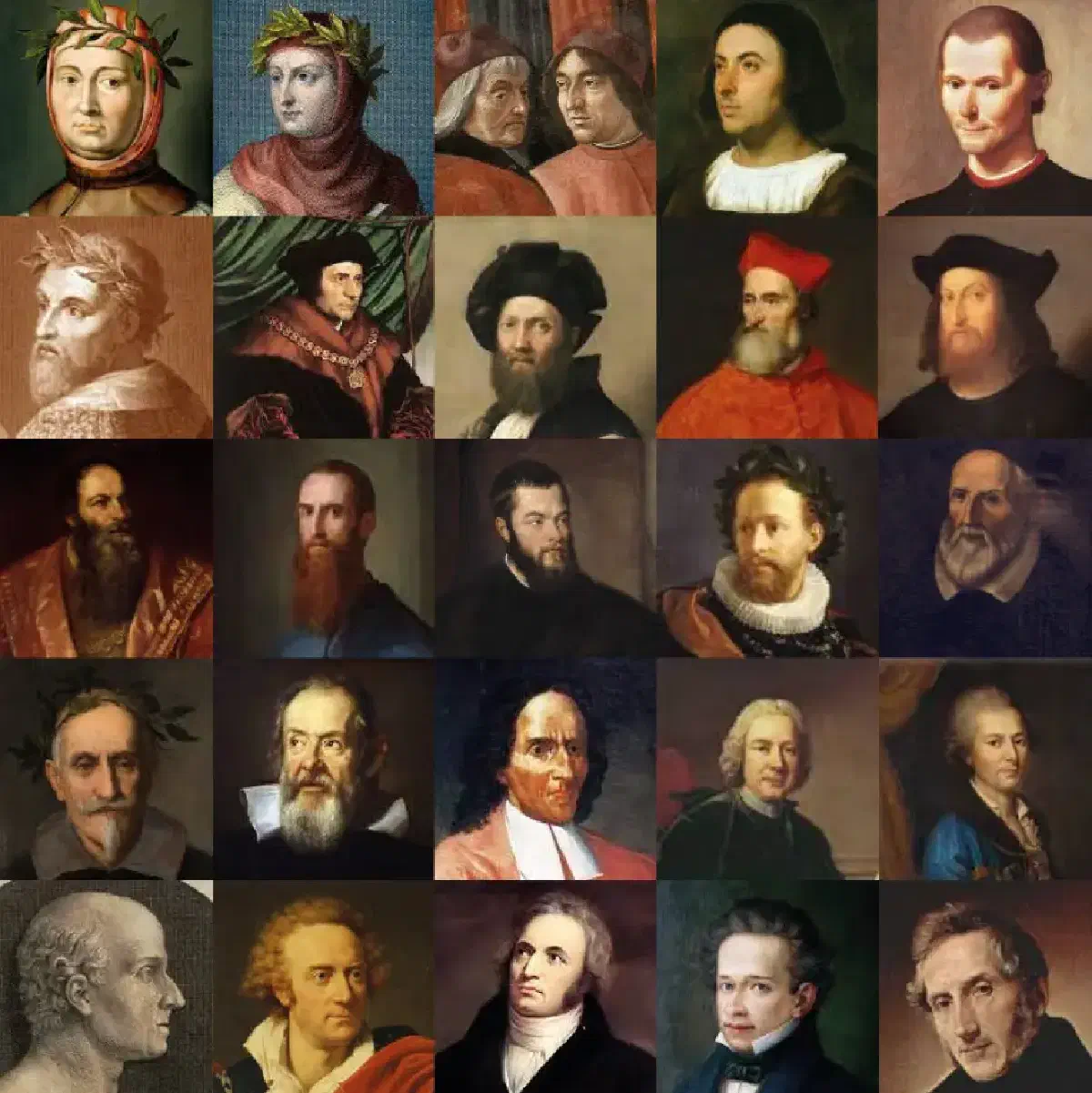
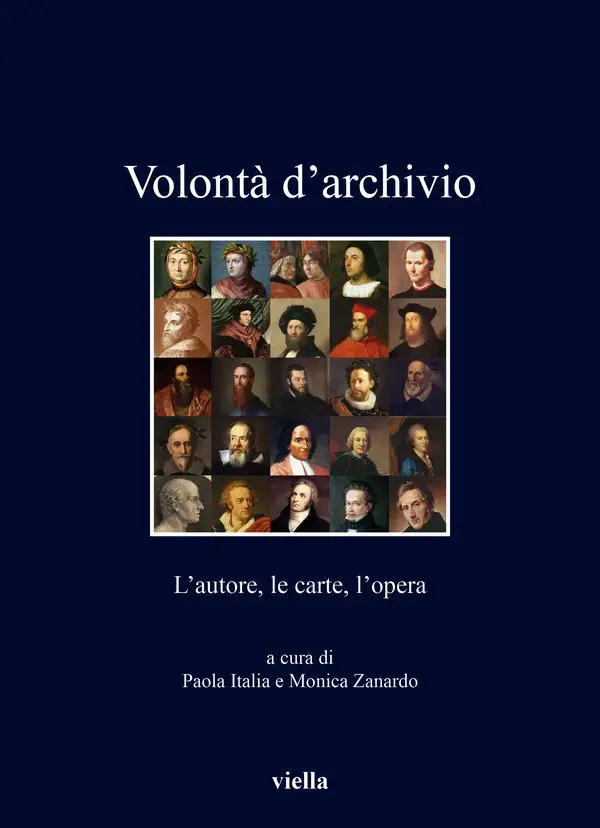
The 2022 conference and the volume of proceedings published in 2023 by Viella, edited by Paola Italia and Monica Zanardo, examine the manifestations of various forms of “archival will” within the Italian literary tradition, from Petrarch to Manzoni. This gives rise to a new way of considering authors’ papers, focusing on the role played by archives in the construction of the image that writers wished to bequeath to posterity, and in the reception of their work.
2. Functions of Pietro Verri’s private archives #
For this volume, I have written an article entitled ‘Autobiografia e biografia. Funzioni e usi dell’archivio privato di Pietro Verri’ (in Paola Italia and Monica Zanardo (eds.), Volontà d’archivio. L’autore, le carte, l’opera, Rome, Viella, 2023, pp. 379–395).
In 1763, Pietro Verri, aged thirty-five, compiled the first phase of his literary work into a carefully assembled dossier. This eclectic collection, containing a selection of his early writings (plays, poetry, novels, satires), coincides with a turning point in his intellectual career. The author, turning his back on the frivolous and worldly vein of his younger years, now intended to write as a philosopher and economist.
Throughout his life, Verri diligently preserved his manuscripts, classifying them and detailing their contents in handwritten notes affixed to the folders. He added comments of appreciation or criticism at the bottom of certain pages. ‘Nonsense,’ he observed; ‘Poor Pietro,’ he noted elsewhere, addressing himself; or again: “It is too servile in every respect; I do not like it.” The practice of archiving, which aims to highlight a process of intellectual refinement and maturation, possesses an autobiographical dimension, reinforced by the presence, amongst the unpublished and posthumous papers, of letters and introspective texts offering moral and political justification. Verri sets about constructing a self-image for his family, his friends and posterity — an image which, however, lacks the retrospective unity and comprehensiveness that the writing of a proper autobiography would have conferred upon it.
This essay examines Pietro Verri’s use of his manuscripts, the function of his archival commentaries, and the status of the unpublished work in relation to the published one, whilst also drawing comparisons with the archives of other contemporary writers, in particular those of Cesare Beccaria. It also examines how researchers and biographers of Pietro Verri utilised the author’s private archives during the 19th and 20th centuries, bearing in mind Carlo Capra’s warning, who in 2002 highlighted the ‘danger’ inherent in these documents: that of creating a “game of mirrors” and false appearances, in which the reader might become trapped.